

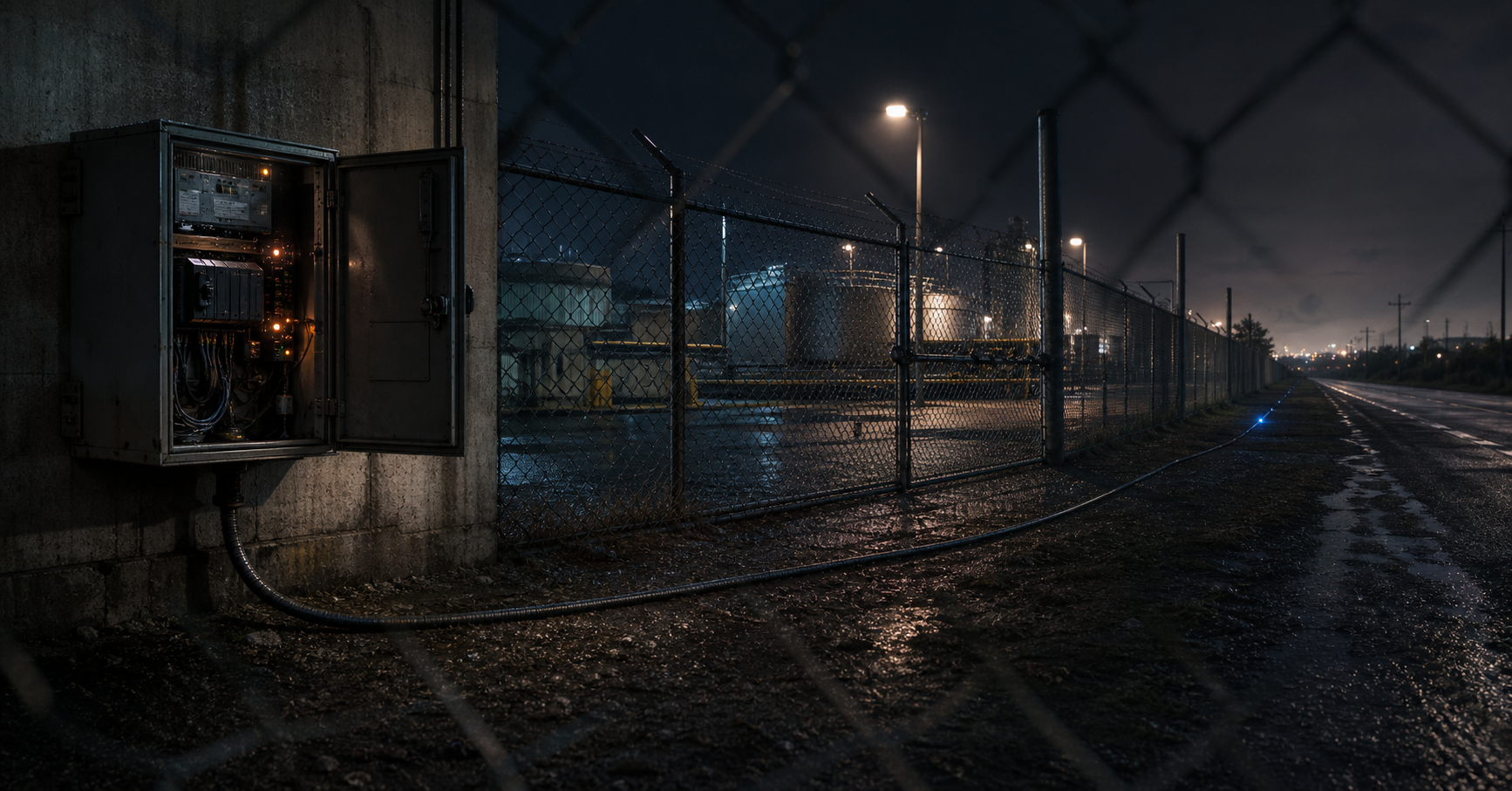
When the Water Plant Gets Hacked, the Lesson Is Not About Water
Attackers do pick their industries. They just never say which one is next, and the way in looks much the same either way.
Executive Summary
Federal agencies have warned that attackers reached the equipment running pumps and treatment at water utilities in several states, changing passwords and settings until operators could no longer see or control their own plants. Attackers do choose industries, and this round they chose water. Nobody announces the next one. What holds steady is the way in: equipment left reachable from the internet. If your business runs machinery, refrigeration, building access, or cameras, some of it is reachable too. Find out what of yours answers from outside, then put the next check on the calendar.
The Target List Changes. The Way In Does Not.
Sectors get chosen for reasons that have nothing to do with the businesses inside them. A political grievance. A supplier everyone depends on. An industry known for old equipment and thin budgets. Water is the name on the list today. Food processing, cold storage, and light manufacturing fit the same description, and none of them will get a warning.
What does not change is the route in. The equipment involved is the unglamorous box that makes physical things happen: it opens a valve, runs a pump, holds a temperature. Reach it and you can change its settings, and it will comply, because it was built to be obedient rather than suspicious. Many have a weak login or none at all.
That box sits inside ordinary businesses everywhere. A bottling line. A walk-in freezer. The cooling in the room where your servers live. It was connected so a vendor could support it without driving out, and almost never written down. The Verizon Data Breach Investigations Report finds the same pattern edition after edition: most breaches arrive on a short list of ordinary routes, among them known flaws in internet-facing systems.
You Cannot Defend What You Have Never Counted
Most businesses can list their laptops. Very few can list what of theirs answers the internet, which is what security people mean by attack surface. The gaps that hurt are rarely the ones anyone chose. A vendor installs a cellular modem to dial into a machine. A device outlives its manufacturer support and keeps running, because it still works.
Two habits close most of this, and neither needs a security team of your own:
- External vulnerability scanning. A regular automated look at your own addresses from the outside, listing what responds and what is out of date. It is the closest thing to seeing yourself the way an attacker does, and it is cheap.
- Penetration testing on a schedule. Scanning tells you which doors are unlocked. A test tells you what someone can reach after walking through one. Environments drift, so a three-year-old test describes a business that no longer exists.
The Takeaway
The water story is a warning flare, not a utility problem. Somebody chose that sector. Somebody will choose the next one without telling you first. You cannot plan around a target list you will never see. You can know what of yours is reachable right now, and when you last looked.
How Simulint Helps With BlueSphere Shield
BlueSphere Shield Elevate includes managed vulnerability management: continuous scanning of what your business exposes to the internet, with findings ranked by what an attacker could actually do with them. We pair it with scheduled external penetration testing, so open doors get tested by a person rather than only counted.
Learn more about BlueSphere Shield: https://lnkd.in/eE9HTaw8


